
World News
Ash from Anak Krakatau closes Jakarta's airport and seven others, stranding 170,000 passengers
By Staff Writer | 7 September 2026
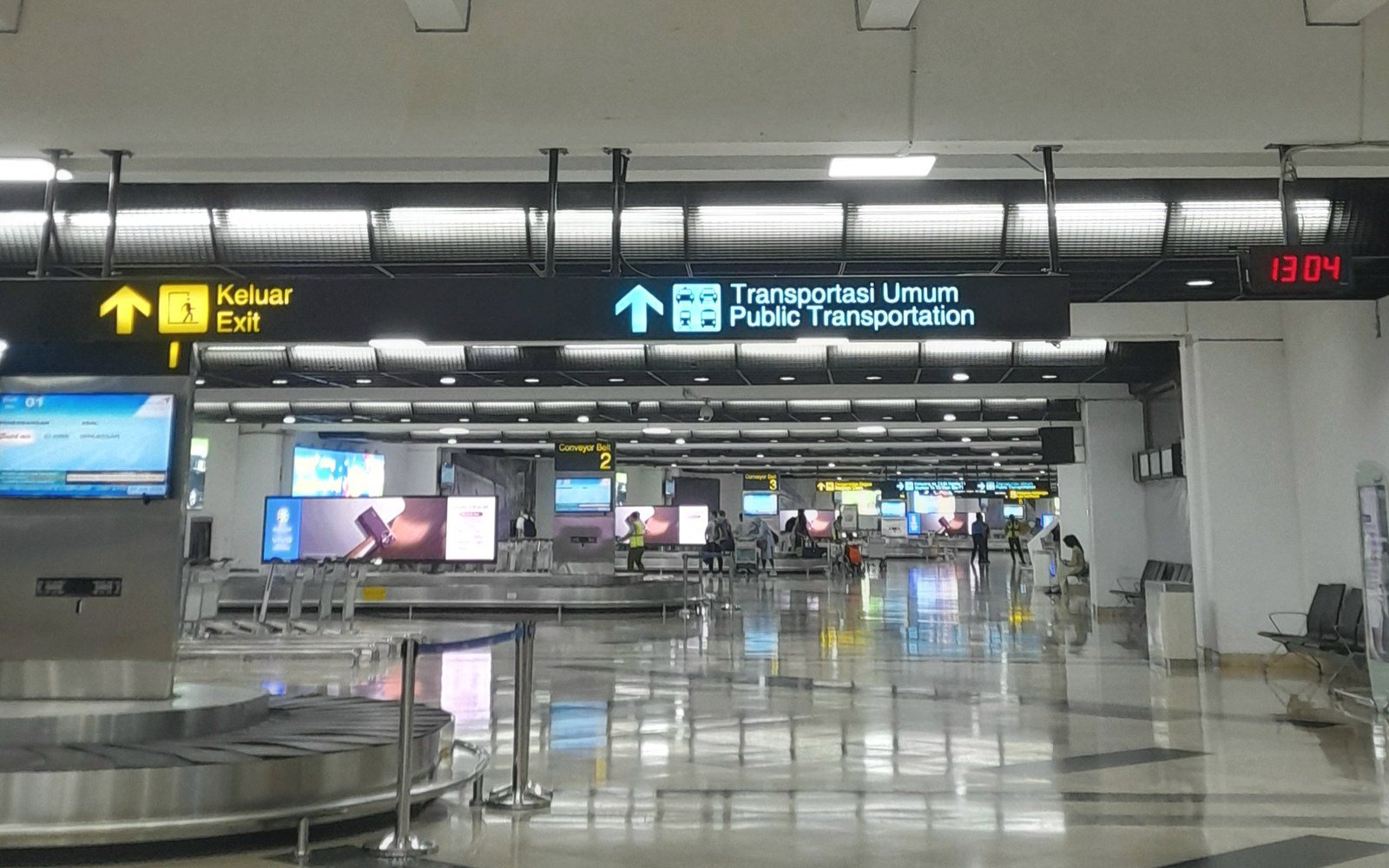
The volcano in the Sunda Strait began erupting late on Friday and produced two new eruptions on Sunday. The Transport Ministry counted 1,558 delayed or cancelled flights across eight airports, more than 900 of them at Soekarno-Hatta, and the closure there was extended into Monday morning.
Indonesia's Transport Ministry halted operations at Soekarno-Hatta International Airport outside Jakarta from 01:30 on Sunday morning after volcanic ash from Mount Anak Krakatau, more than 150 kilometres to the west, was detected in the airspace around it. The ministry said a paper test had returned a positive result for the spread of ash across the airport area. The closure was first extended to 09:30, then by a further four hours because of increased eruptive activity, and finally to 08:59 on Monday morning.
Seven other airports were shut as the ash spread, among them Husein Sastranegara at Bandung and Radin Inten II near Bandar Lampung on Sumatra. Across the eight, the ministry said 1,558 flights had been delayed or cancelled, more than 900 of them to or from Soekarno-Hatta, and about 170,000 passengers were stranded nationwide. Earlier in the day the ministry had put the figure for the main airport alone at 209 flights and more than 22,000 passengers, with services to Singapore the worst hit and Sydney and Kuala Lumpur also affected. The Transport Minister, Dudy Purwagandhi, said airports at Semarang and Surabaya, among others, had been prepared as alternatives for landing.
BNPB urges the public to remain calm while increasing vigilance
Berton Panjaitan, spokesperson for Indonesia's National Disaster Mitigation Agency (BNPB)
What the volcano did
Anak Krakatau sits in the strait between Java and Sumatra, in the caldera left by the 1883 eruption of Krakatoa. It began erupting late on Friday. On Saturday it produced a fountain of lava, and the geology agency said the explosions could be heard up to 700 kilometres away. The meteorological agency BMKG recorded two new eruptions on Sunday and reported ash to 6,000 metres on the Java side and a plume of up to 15,000 metres on the Sumatra side and over parts of Banten province. Muhamad Iid Mujtahiddin of BMKG told reporters the ash had reached about 20,000 feet and was moving towards several areas including West Java.
The disaster mitigation agency said there was no imminent tsunami risk from the eruption. The same volcano partly collapsed during an eruption in December 2018, sending a wave into the coasts of Java and Sumatra that killed more than 400 people, which is why that question is asked first.
Ashfall has disrupted daily life in Lampung province on Sumatra and Banten on Java. The agency advised people in affected areas to wear masks and eye protection, reduce time outdoors, cover water sources and take care when driving. Port authorities told ships in the strait to keep clear of a three kilometre exclusion zone around the volcano and to watch for disruption to navigation. Jakarta's city government said schools would close on Monday and move to online classes, without saying for how long.
Making it rain
The agency's head, Suharyanto, told a news conference on Sunday that it would use cloud seeding to encourage rain over the affected areas.
If it rains heavily enough, the volcanic ash that has been disrupting our daily lives since yesterday and continuing today will be washed away quickly
Suharyanto, head of Indonesia's National Disaster Mitigation Agency (BNPB)
Airlines outside Indonesia felt the closure at once. Qantas confirmed cancellations to and from Jakarta from Sunday and said its meteorologists were watching conditions around the city. Singapore Airlines said 19 flights between Jakarta and Singapore had been cancelled up to Sunday night. At the airport itself, Yudistiawan, the assistant deputy for communications and legal affairs, said at least 209 flights including cargo services had been cancelled by Sunday morning and urged travellers to check with their airlines before setting out.
Volcanic ash is abrasive and melts in a jet engine, which is why an airport closes on a positive paper test rather than on a visible cloud. The 1883 eruption is the reason the name is known around the world. This one, on the ministry's numbers, has grounded about 170,000 people in a day, which is the outcome the closures exist to produce rather than the alternative.