
World News
Alternative for Germany takes 44 per cent in Saxony-Anhalt and falls short of a majority
By Staff Writer | 7 September 2026
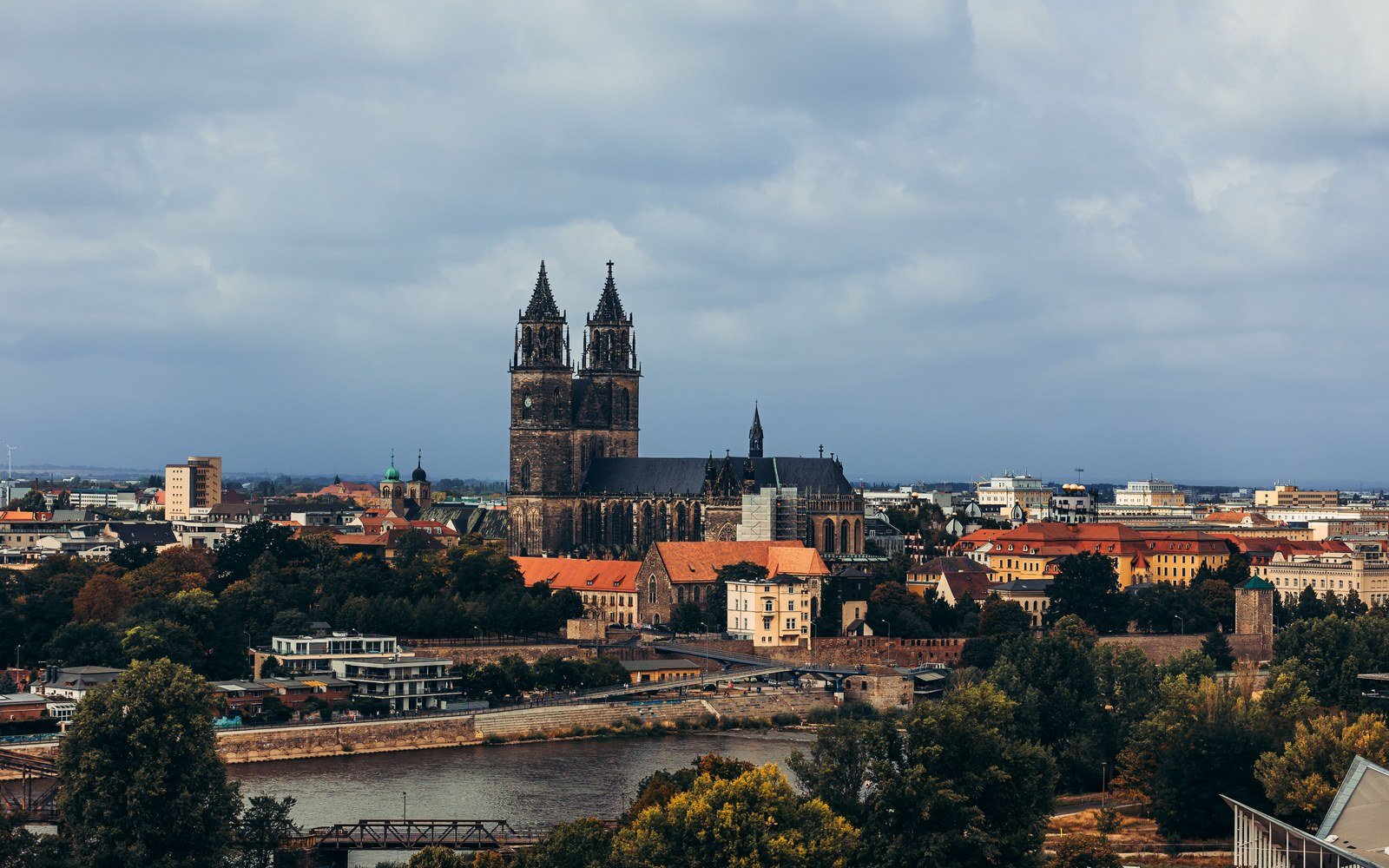
The state count put the party at more than twice the Christian Democrats' share on a turnout of nearly 76 per cent. It has the largest group in the new parliament and no partner, so the argument over who governs Saxony-Anhalt begins today.
Alternative for Germany won Sunday's state election in Saxony-Anhalt by a wide margin. With 2,592 of 2,660 polling districts counted at 23:47 on Sunday night, the state statistical office had the party on 44.3 per cent of the second vote, which is the vote that decides the share of seats. The Christian Democrats, who led the outgoing government, were on 17.0 per cent. The Social Democrats were on 9.2, the Greens on 8.9, the Left on 8.5 and the Sahra Wagenknecht Alliance, standing in the state for the first time, on 5.2. The Free Democrats, the third partner in the outgoing coalition, were on 2.6 per cent and below the five per cent threshold for seats.
Turnout was 75.7 per cent, with 1,271,640 of 1,681,854 registered voters casting a ballot. At the last state election in 2021 the party took 20.8 per cent and the Christian Democrats 37.1. On Sunday's figures the one has more than doubled its share and the other has lost more than half of it.
We have written history.
Ulrich Siegmund, lead candidate of Alternative for Germany in Saxony-Anhalt
Mr Siegmund, who is 35, made the remark to supporters at the party's election night gathering in Magdeburg. He also thanked Chancellor Friedrich Merz, who he said had been a very good campaigner for the party. Exit polls for the public broadcasters ARD and ZDF had put the party between 44.1 and 44.5 per cent and the Christian Democrats on 18.5, and the count has tracked them closely.
Largest party, no majority, no partner
The new parliament has 83 seats, 41 of them decided in constituencies and the rest from party lists, and 42 makes a majority. Projections published by the broadcasters on the night left Alternative for Germany short of that line. Every other party that will sit in the chamber has said it will not go into government with it, and the state office of Germany's domestic intelligence service has designated the party as extremist right-wing. A very large vote therefore does not by itself deliver the premiership. What it delivers is a chamber in which any other combination needs the Christian Democrats, the Social Democrats, the Greens, the Left and the Wagenknecht Alliance to find enough common ground to outvote the largest group.
The state premier, Sven Schulze of the Christian Democrats, took office in January 2026 and had described the election as a decision that would set the course for Germany. On Sunday's count his party's share has fallen by 20 points since 2021.
Read in Berlin as a federal result
The party's federal leader, Alice Weidel, went on ZDF on Sunday evening to say that the Christian Democrats would never win another election, and to describe what the party expected next.
We are seeing explosive growth here
Alice Weidel, federal leader of Alternative for Germany
She said the same growth would be seen across the whole of eastern Germany and at the federal level. The party is polling first nationally, and two more state elections follow this month, in Mecklenburg-Vorpommern and in Berlin. Sunday's result will be read as the template for both.
State governments matter beyond their borders. They make up the Bundesrat, the upper house of the federal parliament, and hold the powers over education, culture and domestic security. Mr Siegmund campaigned on mass deportations and changes to migration and education policy, on schools and policing, and on the cost to industry of losing Russian oil and gas. The party has also called for changes to the regional public broadcaster and for closer relations with Russia.
The state election office will declare the preliminary result once the remaining 68 districts are in. On the numbers already counted, the question in Magdeburg this morning is not who won but whether anyone else can put a government together, and how long a state of a little more than two million people can be run by a caretaker while they try.