
Tech and AI
A court finds a rebrand may have thrown away two trademarks
By Staff Writer | 6 September 2026
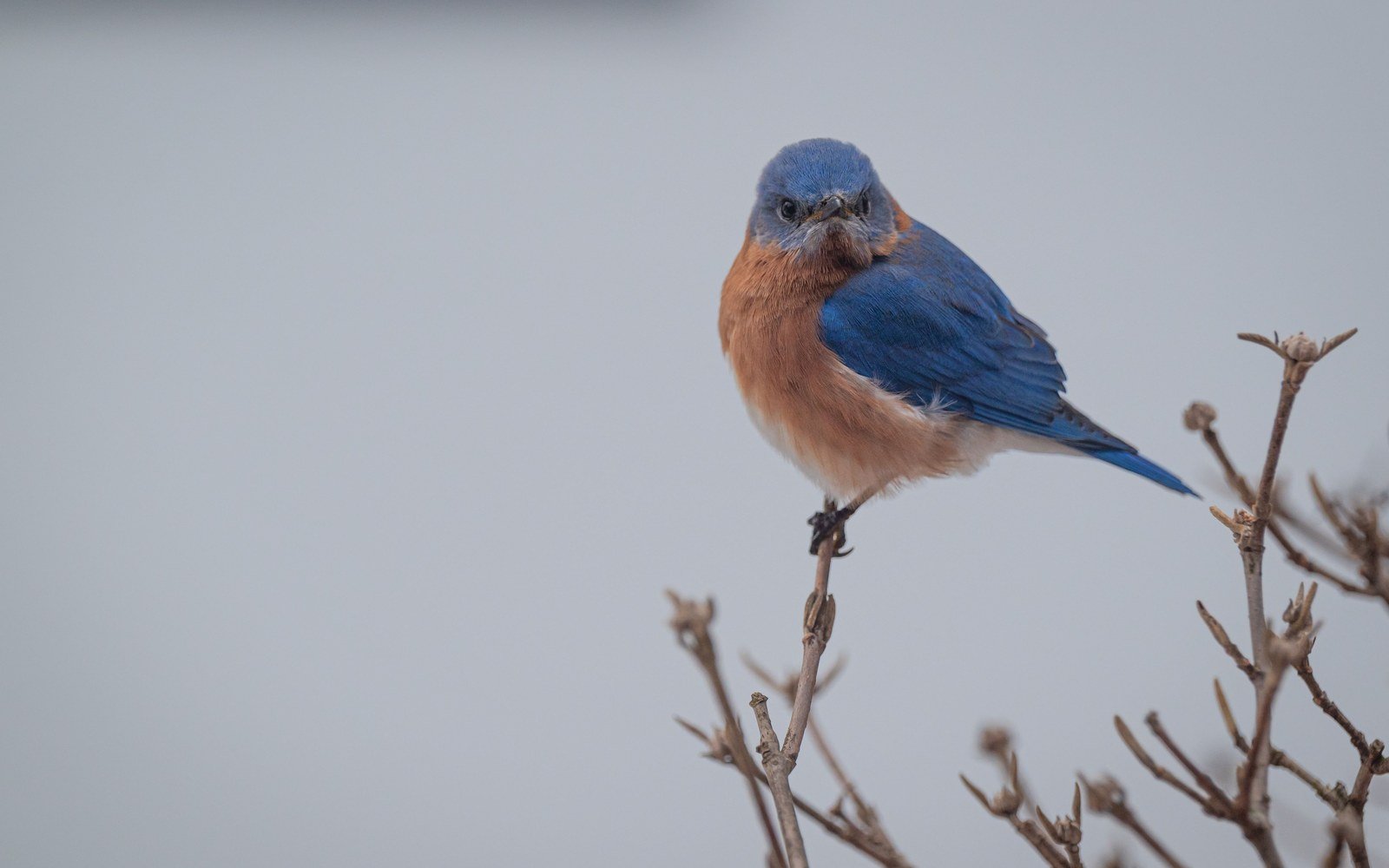
The company kept the name it sued over. On the evidence so far it let go of the word and the bird, and a startup founded to collect them has now launched.
A federal court in Delaware has given a split ruling in a trademark fight between X Corp and a startup that set out to pick up the marks the company left behind when it renamed itself. The case is X Corp. v. Operation Bluebird, Inc., number 1:25-cv-01510 in the United States District Court for the District of Delaware, and it was filed in December 2025.
Chief Judge Colm F. Connolly granted X Corp's application for a preliminary injunction in respect of eight Twitter related marks, and refused it in respect of two others: the Tweet mark and the Twitter bird logo. The startup, which had launched as Twitter.now, is therefore barred from trading under the Twitter name. On the other two, the judge wrote that Operation Bluebird was:
likely to succeed in proving both that X Corp. discontinued the bona fide use of the Tweet mark and Bird logo and that it intends not to resume the use of the marks
Chief Judge Colm F. Connolly, United States District Court for the District of Delaware
The startup has since relaunched its site as Tweet.app and opened to the public. It says more than 172,000 people asked to reserve a handle before launch, at 20 dollars each. It is run by two lawyers: the founder, Michael Peroff, based in Illinois, and Stephen Coates, its president, who was previously a trademark lawyer at Twitter. The company's own homepage says in terms that its purpose is to go back and pick up what was dropped in the rebrand.
A tweet was never a corporation. It's one person saying something. That word survived three years of a company trying to replace it, because the public declined to stop using it. We think that tells you who it belongs to.
Stephen Coates, president of Operation Bluebird
The test being applied
The two limbs in the judge's sentence are the two limbs of abandonment: use has stopped, and there is no intention to resume it. Neither alone is enough. A mark can lie unused for a period while its owner plans a return to it and survive. What kills it is discontinued use plus the absence of any intention to take it up again, and the second limb is usually proved out of the owner's own conduct rather than from anything it says at trial.
That is what makes this ruling worth the attention of businesses a long way from social media. A group that rebrands after a merger, retires the acquired company's name from its signage, its invoices and its website, and keeps the registration on the shelf for sentimental or defensive reasons, is in the same position on the first limb from the day the rebrand completes. The registration certificate does not answer the question. Continued genuine use in trade does.
The practical protection is unglamorous: keep a real, evidenced, commercial use of any legacy mark that matters, and record the decision to retain it and why, at the time the rebrand is planned rather than when a claim arrives.
What has not been decided
This is an interlocutory ruling on an application for an injunction, not a final judgment. The test at this stage is likelihood of success, and the case now proceeds to determine whether X Corp retains rights in any of the Twitter marks at all. The court could yet reach a different conclusion on a full record.
The startup's own position is not free of difficulty either. Two trademark lawyers building a social network out of the marks a rival discarded will meet the argument that their interest is in the registrations rather than in the service, and that is a live question in abandonment litigation on both sides of the Atlantic. For now the position is simply stated: the company kept the name, and on the evidence so far it did not keep the word or the bird.