
World News
Norway seizes a ship at Svalbard to enforce a 4.22 billion dollar arbitration award
By Staff Writer | 5 September 2026
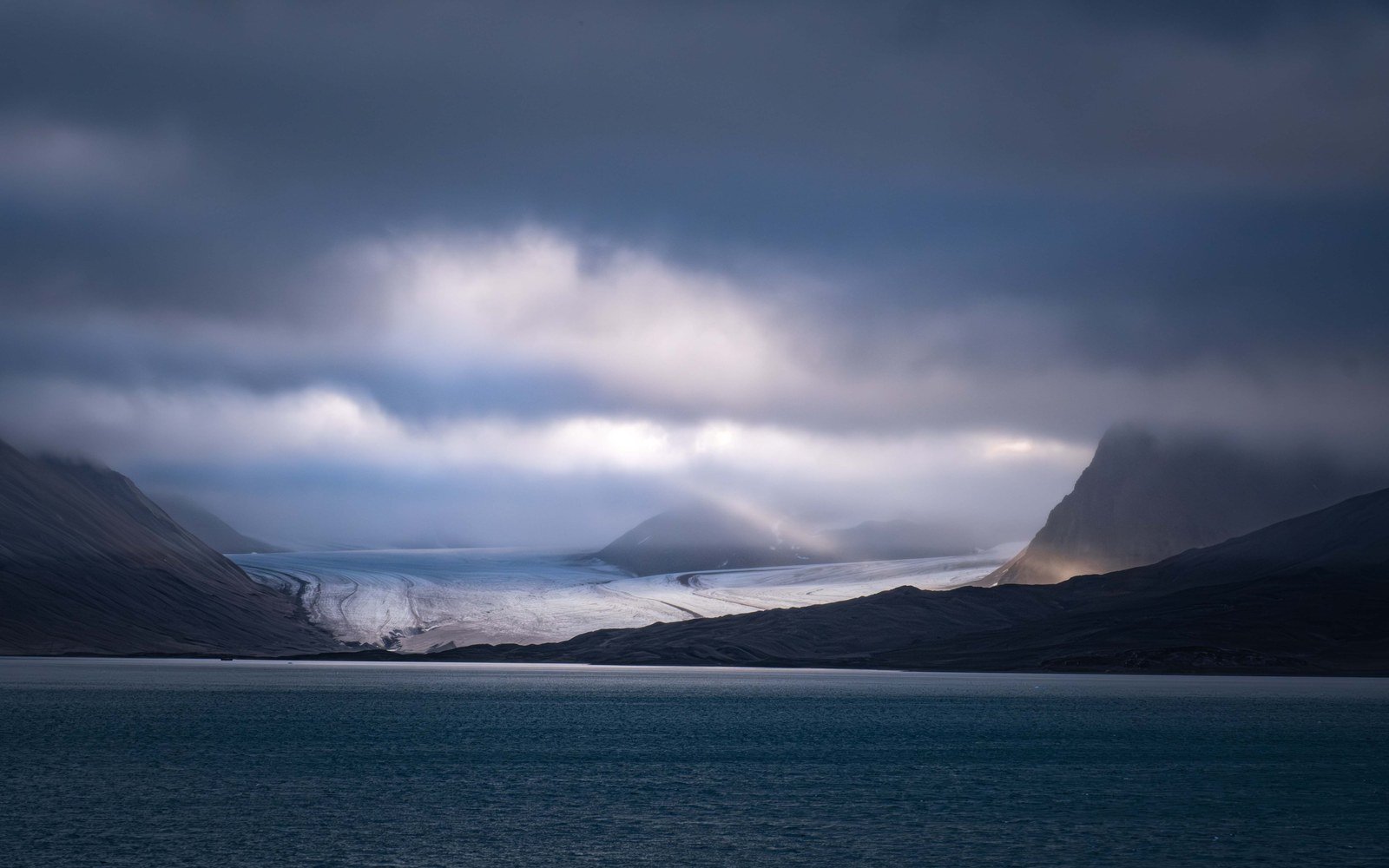
A Norwegian district court ordered the arrest of the Professor Molchanov at Barentsburg to secure an arbitral award made in The Hague in 2023. Enforcement is now running in about ten jurisdictions, and assets have already been taken in Finland and France.
An award creditor with an unpaid award against a state has one practical remedy, which is to find property belonging to that state in a jurisdiction willing to enforce, and to have it arrested. On Wednesday 2 September that exercise reached one of the least likely ports in the world. The Governor of Svalbard, acting as the local enforcement authority, seized the Russian state owned vessel Professor Molchanov at Barentsburg, on an order made by the Nord-Troms and Senja District Court on 31 August.
The application was brought by Naftogaz Group, Ukraine's state owned energy group. It is enforcing an award issued by a tribunal at the Permanent Court of Arbitration in The Hague in 2023, which held that the Russian Federation must compensate Naftogaz and six associated companies for assets taken in Crimea in 2014. Those assets included gas fields, pipelines and the Black Sea producer Chornomornaftogaz. The outstanding principal stands at about 4.22 billion dollars before interest and costs, which on one estimate could carry the total towards five billion dollars.
Russia cannot evade responsibility simply by refusing to comply with an international arbitral award.
Sergii Fedorenko, acting Chief Executive Officer, Naftogaz Group
Recognition first, then execution
The sequence is the ordinary one and worth setting out, because it is the sequence any award creditor faces. The award is made. It is then recognised as enforceable in each country where the creditor wants to execute, which is a separate proceeding with its own defences. Only then can the creditor ask that country's enforcement authority to seize a particular asset. A Dutch court confirmed the enforceability of the award in late 2024, and the award had already been recognised as enforceable in Norway before this week's order was made.
Enforcement proceedings in the case are now active in around ten jurisdictions, and assets have already been seized in Finland and France. The pattern is the familiar one of asset tracing against a debtor who will not pay voluntarily: the creditor waits for property to come within reach of a cooperative court.
The Professor Molchanov is an oceanographic research vessel built in Finland 43 years ago and operated by an agency under the Russian state meteorological service. It has been running passenger voyages between Murmansk and Barentsburg for a second season.
Why the ship was there at all
Barentsburg is a Russian coal mining settlement on Norwegian territory, operated by the state owned company Arktikugol. It exists because of the 1920 Svalbard Treaty, which confirmed Norwegian sovereignty over the archipelago while granting the signatory states, Russia among them, equal rights to commercial activity there. That treaty is the reason a Russian state vessel was berthed at a Norwegian port in the first place, and it is also why the Norwegian courts had jurisdiction over it when it arrived.
It has been decided that the vessel will remain berthed in Barentsburg until the Governor or the Nord-Troms District Court decides otherwise.
The Governor of Svalbard, in a statement
The Governor, who holds police authority on Svalbard, said the office would take responsibility for the crew and passengers on board, working with Arktikugol. Neither the authorities in Moscow nor Arktikugol had commented on the seizure itself at the time the first reports were filed.
President Vladimir Putin addressed it two days later at an economic forum in Vladivostok, describing the seizure of civilian vessels and strikes on merchant shipping as acts of state terrorism, and saying such incidents complicated the prospects for future talks. That is his characterisation, and it is the political answer rather than a legal one. It does not touch the award, the recognition or the order.
For anyone holding an unsatisfied award against a state, the lesson from Svalbard is the unglamorous one. Enforcement is not won in the arbitration. It is won years afterwards, one port at a time, by knowing where the debtor's property will be and which court will act on it.