
World News
A steel carrier sinks in eleven minutes off Silivri with ten crew aboard
By Staff Writer | 3 September 2026
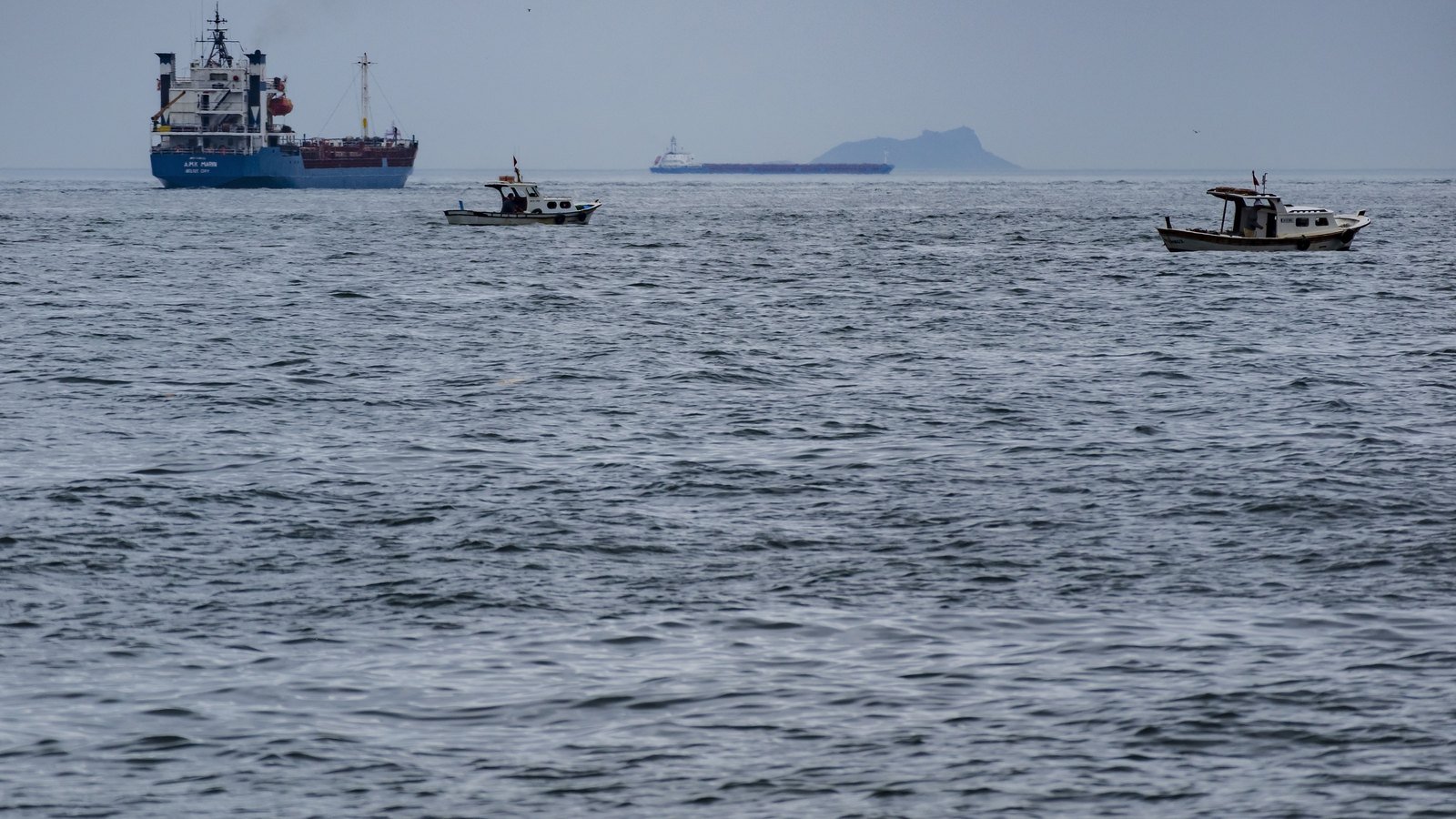
The Tugberk Imamoglu went down in the Sea of Marmara before dawn on 2 September after a collision with a tanker, 18 nautical miles off Silivri. A lifeboat was recovered empty and nobody aboard has been found.
A Turkish flagged cargo ship carrying 4,200 tonnes of rolled sheet metal and reinforcing bar sank in the Sea of Marmara in the early hours of 2 September after colliding with a tanker. The maritime directorate put the position at 18 nautical miles, about 33 kilometres, off the Silivri district on the western edge of Istanbul province.
The emergency call reached the authorities at 3.26 am. Taking the collision time of 3.15 am reported by the tanker's captain, the ship was gone in eleven minutes. The first rescue vessel reached the position at about 4.10 am. The water there is about 900 metres deep.
There are 10 seafarers on board, including the captain. They are all Turkish. We can say that the sinking occurred rapidly in 11 minutes. No one has been found alive.
Abdulkadir Uraloglu, Transport Minister of Turkey
The vessel was the Tugberk Imamoglu, 90 metres long and built in 1990, on passage from Iskenderun on the Mediterranean to Eregli on the Black Sea. The other ship was the Alsu, an oil and chemical tanker of 91 metres, sailing from Kocaeli to Aliaga. The Alsu was not damaged and joined the search. The directorate first said the tanker was carrying 3,000 tonnes of motor oil and later said she was empty, a correction the governorate confirmed.
Two accounts of the last minutes
The head of the maritime directorate, Unal Baylan, told a press conference that the two ships had been talking to one another by radio immediately before the collision, which he said indicated "that the two captains saw each other and were talking to each other to adjust their routes".
The owner of the cargo ship put a different emphasis on the same minutes. Imamoglu Denizcilik said its captain had contacted the tanker to warn that she was entering the cargo vessel's lane, and that "Despite this, according to our initial findings, the collision occurred as a result of M/T Alsu's navigational movements and our ship sank shortly afterward." That is the owner's account. No finding has been made on the cause, and the Silivri public prosecutor has opened an investigation.
The two accounts read for this report also count the search differently. One gives fourteen vessels and a helicopter. The other gives twelve vessels and two helicopters at one point and fourteen and a helicopter at another. Neither count is preferred here. A lifeboat belonging to the sunk ship was recovered, together with life buoys, and the crew were not in it.
A coaster built in 1990, running rebar and sheet from one domestic port to another, is the ordinary machinery of a construction supply chain and the part of it that nobody photographs. Eleven minutes was the entire margin the crew had.
Whatever the prosecutor concludes, the cargo is on the seabed under about 900 metres of water. Who carries that loss, and on which policy, will be settled a long time after the search boats come back in.