
UK Construction and Law
A repealed costs rule does not erase a liability that had already accrued
By Staff Writer | 2 September 2026
The Upper Tribunal restored a freeholder's right to its costs after a right to manage claim was withdrawn six months before the costs provision was repealed. The First-tier Tribunal had read the repeal as wiping out a liability that already existed.
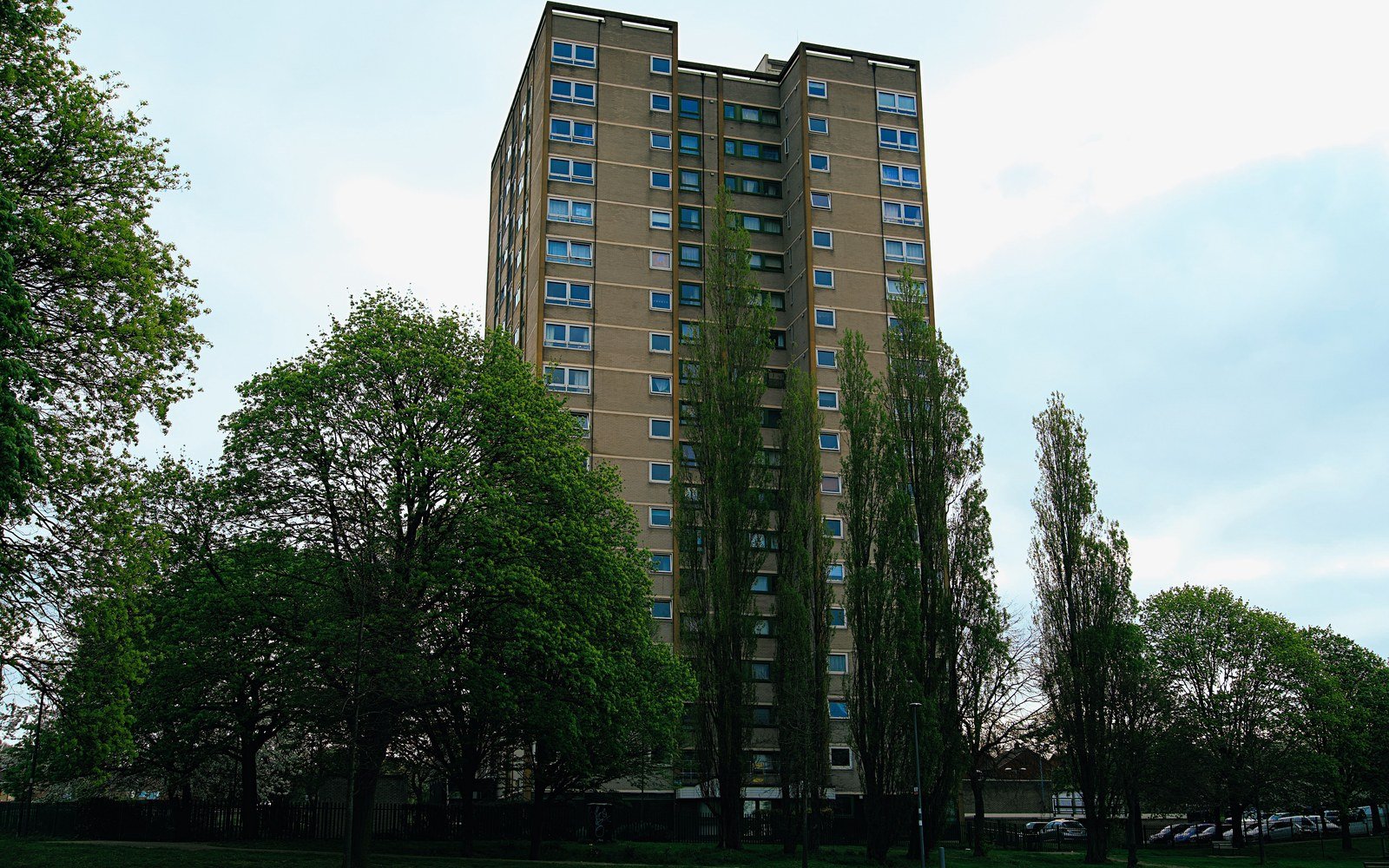
Bishopric Court in Horsham is a building of 55 flats. On 1 August 2024 a company set up by the leaseholders gave the freeholder notice that it intended to acquire the right to manage on 15 November. The notice had not been served on the two head leaseholders, and on 5 September 2024 the claim was withdrawn. The freeholder's costs to that point came to 3,247.20 pounds, made up of legal fees of 1,950 pounds plus VAT and Land Registry fees of 756 pounds plus VAT.
Under sections 88 and 89 of the Commonhold and Leasehold Reform Act 2002 as they then stood, the company and its members were liable for a landlord's reasonable costs incurred down to withdrawal. Section 50 of the Leasehold and Freehold Reform Act 2024 removed those sections and inserted sections 87A and 87B, under which costs follow only where the company has acted unreasonably. The change took effect on 3 March 2025. The Secretary of State had power to make transitional or saving provisions and made none.
What the First-tier Tribunal did with the gap
By a decision of 25 September 2025 the First-tier Tribunal held that nothing was payable, because liability now fell to be decided under section 87B and the company had not behaved unreasonably. It treated the absence of any saving provision as an indication that Parliament meant the old provisions to stop applying to every claim from 3 March 2025, whenever the costs were incurred.
In City and Country Properties Limited v BC Court RTM Company Limited [2026] UKUT 339 (LC), decided on 28 August 2026, Martin Rodger KC, Deputy Chamber President, held that this reversed the effect of section 16 of the Interpretation Act 1978. Section 16(1) provides that a repeal does not, unless the contrary intention appears, affect any right, privilege, obligation or liability acquired, accrued or incurred under the repealed provision. No saving was needed to preserve the freeholder's accrued right, because the general saving already did it.
The absence of transitional provisions is a reason to apply the presumption against retrospective effect, not a reason to displace it.
Nothing in the language of section 50 suggested that accrued rights and liabilities were to be taken away, and the tribunal rejected each of the reasons the First-tier Tribunal had given for finding that intention elsewhere. The purpose of removing the landlord's costs entitlement was to take away a deterrent to leaseholders pursuing the right to manage. Keeping a right to costs already incurred does not cut across that purpose, because the risk in this case had been run and closed before the law changed.
The two points of practice underneath
The appeal also succeeded on procedure. The First-tier Tribunal had disallowed VAT on the legal fees and the Land Registry search fees on points that the other side had never taken and that it never put to the freeholder. On VAT it decided the position was unclear without giving the freeholder a chance to say that it is registered and that input VAT on a residential building cannot be recovered. On the searches it inferred from a single reference to an email to a managing agent that the freeholder had agents holding the title information, which was wrong. The tribunal held that this deprived the freeholder of an effective part in proceedings that were not being contested at all.
The award was 1,756 pounds plus VAT of 351.20 pounds, a total of 2,107.20 pounds, in place of the 1,000 pounds the First-tier Tribunal would otherwise have allowed. The tribunal then corrected a remark that it said was liable to mislead.
the liability of current and former members of the RTM Company exists without the need for any further order and irrespective of the fact that they are not parties to the proceedings
Martin Rodger KC, Deputy Chamber President of the Upper Tribunal (Lands Chamber)
The reasoning is not confined to leasehold. Any obligation that had accrued before a repealing provision came into force survives it unless the Act says otherwise, and the party arguing that it has gone has to point to something in the statute rather than to the silence.