
Contract award
King's Lynn lets its Grade I Custom House to a Norfolk contractor
By Staff Writer | 01-09-2026
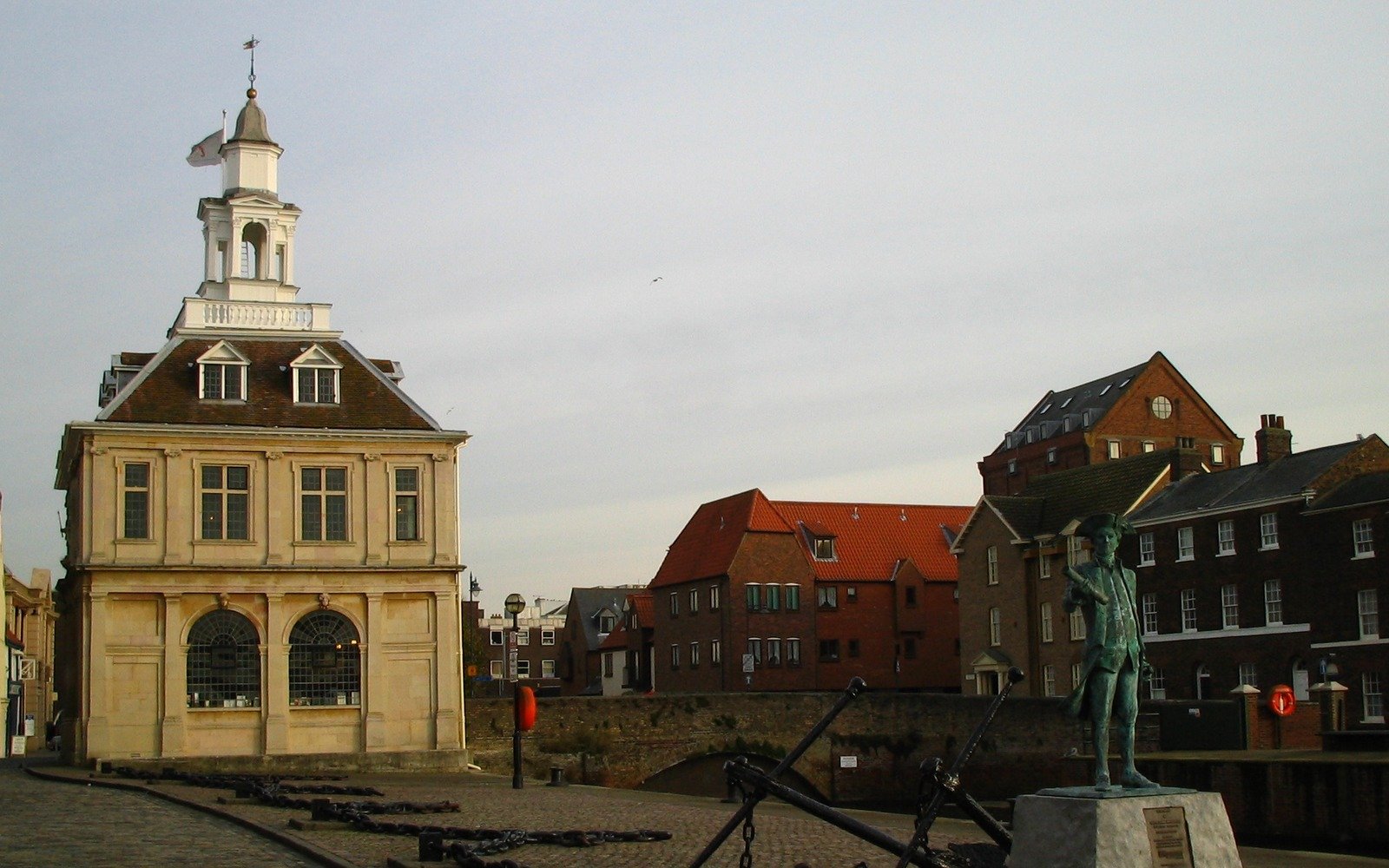
The Borough Council of King's Lynn and West Norfolk has awarded remodelling and refurbishment works to the Grade I listed Custom House at 1,288,372 pounds and 60 pence excluding value added tax. King and Company Norfolk Ltd takes the contract, which was signed on 17 August 2026 and runs from 1 September 2026 to 16 July 2027. The contract details notice was published at 10:02 on 1 September 2026.
The gross figure on the notice is 1,546,047 pounds and 12 pence. The contract was let below threshold by open competition under the Procurement Act 2023, and the requirement was not divided into lots. The successful contractor is recorded as a small or medium sized enterprise with an address at Cawston, near Norwich.
Ten and a half months on a Grade I listed building, at a fixed published sum, with no separate provisional or contingency figure disclosed on the notice.
The building
The council's own description records the Custom House as a seventeenth century building designed by Henry Bell in 1683, originally used as a merchant's exchange before it became a customs house. The works are classified on the notice under construction work and, more particularly, under buildings of particular historical or architectural interest.
Grade I is the highest of the three listing grades in England and covers buildings of exceptional interest. The practical consequence for the contract is consent. Listed building consent is required for works affecting the character of the building as one of special architectural or historic interest, and the conditions attached to a consent commonly govern materials, methods, the treatment of historic fabric and the recording of what is found. The notice does not state whether consent is already in place, and none is assumed here.
What the dates imply
The contract was signed on 17 August 2026 and the period begins on 1 September 2026, so the contractor had a fortnight between signature and start. The end date of 16 July 2027 gives a period of about ten and a half months for the whole of the remodelling and refurbishment.
That is a demanding programme on a building of this age at a fixed published sum. The recurring risk on heritage refurbishment is not the work that is drawn. It is the work that appears once the fabric is opened up: timber that has gone, structure that is not where the survey said it was, earlier alterations that have to be undone, and finishes that turn out to require a specialist rather than a general trade. Where that risk sits, and whether the published figure carries a provisional allowance for it, is not established on the notice.
The figure, and what the notice does not say
The notice publishes no form of contract, so whether the parties are using a standard building contract with quantities, a design and build form or a minor works form is unknown. It publishes no scope beyond remodelling and refurbishment, no floor areas, no schedule of the elements to be worked on and no statement of what the building will be used for afterwards. There is no reference to a design team, no clerk of works and no separate professional appointment on this notice.
It also publishes no count of tenderers and no runner up. What can be said is that the route was open competition below threshold rather than a framework call off, and that the contract went to a local small or medium sized firm rather than to a national contractor.
The net figure is 1,288,372 pounds and 60 pence and the gross figure is 1,546,047 pounds and 12 pence. The gross is exactly 1.2 times the net, so the notice is carrying value added tax at 20 per cent and nothing else. Neither figure is rounded here. The notice records the contract as active, records the award as active, and records the procurement as below threshold.