
World News
An executive order renames Lake Ontario, and Ottawa declines to follow it
By Staff Writer | 29 August 2026
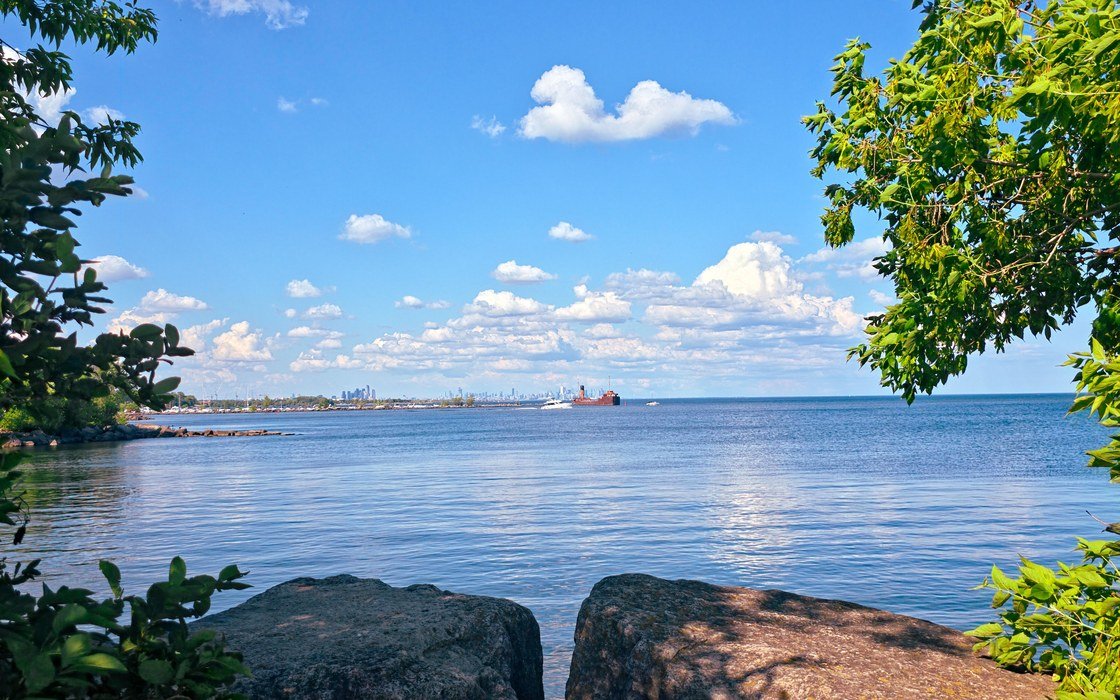
The order was signed in the Oval Office on Thursday and takes effect at once on United States federal records. Canadian ministers say the name on their side does not change.
The President of the United States signed an executive order on Thursday renaming Lake Ontario as Lake America. He said the change took effect immediately and that the paperwork had been done.
We notified all of the various people that we have to notify. So we've done everything that you have to do, and this is official, effective immediately
Donald Trump, President of the United States
The order rests the claim on bathymetry and on history. It states that the deepest parts of the lake's waters lie within United States territory, that the United States therefore claims most of the lake's volume, and that the lake has long been an asset to American exploration, settlement, commerce and defence. Asked what message the renaming was meant to send to Canada, the President said there was none, and repeated his complaint that Canada has been taking advantage on trade and does not pay its way.
What it changes and what it does not
An executive order of this kind binds the federal government of the United States and the records it keeps. It has no effect on the naming used by another state. Canadian officials said before the signing that they would not recognise the new name, and they said the same afterwards.
We'll always call it Lake Ontario. Period
Melanie Joly, Canadian Minister of Industry
She added that Canadians are proud of their Great Lakes. A Canadian maritime lawyer put the legal position more bluntly, saying that no official in either country owns the naming rights to the lake and that a unilateral change would not affect other countries.
The Americans can call it whatever they want to call it. It is Lake Ontario
Marc Isaacs, a Canadian maritime lawyer
The Canadian Prime Minister set out his own answer on a social platform rather than in a statement to reporters, and it is not quoted here for that reason. His position was that the name derives from a Wendat word and is more than four hundred years old, older than both the Canadian confederation and the United States declaration of independence, and that the lake will keep it.
This lands in the middle of a live tariff dispute, not beside one. The White House imposed tariffs of 50 per cent on 20 billion dollars of Canadian goods days before the order was signed, and the President tied the two together himself when he was asked about it. Anyone with a contract that identifies a place, a border, a port or a water body by name should know which register the name comes from, because two of them now disagree.
The precedent already on file
The same instrument was used last year to rename the Gulf of Mexico as the Gulf of America. The Interior Department adopted it, and two large mapping providers followed. Most of the world did not. The lake has been called Ontario since at least the sixteen hundreds and the Canadian province takes its name from it, which is why the change reaches further into ordinary usage than the earlier one did.
The President indicated on Thursday that he was not finished, saying that having renamed a gulf and a lake, what he needed next was an ocean, and that the Atlantic or the Pacific, or both, might follow.
For the moment there are two names in use for one body of water, and the boundary between them runs down the middle of the lake.