
Tech and AI
A billion dollar valuation for software whose only job is to turn a data centre down when the grid is stretched
By Staff Writer | 27 August 2026
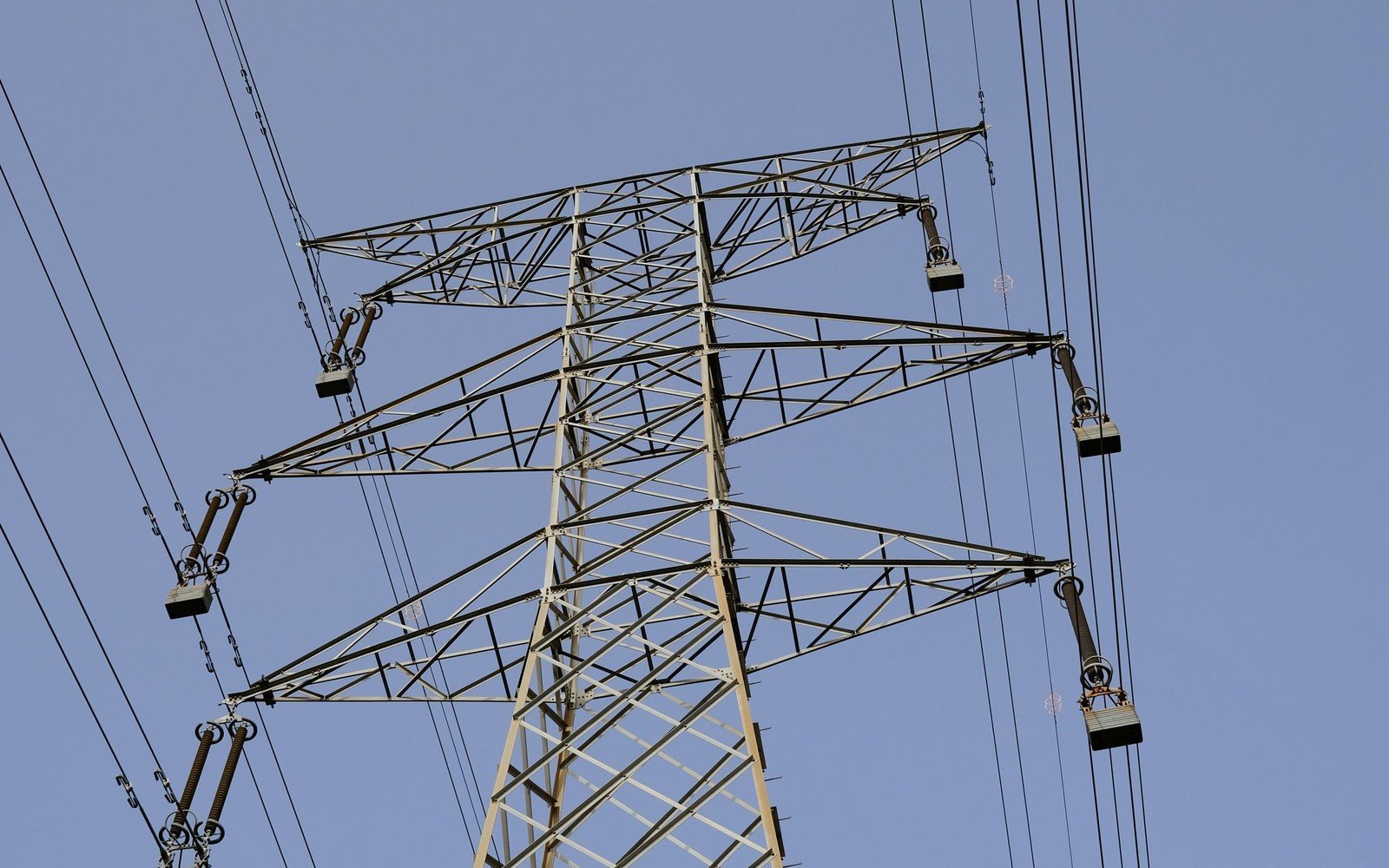
Emerald AI raised 150 million dollars on 25 August at a valuation of 1.05 billion, on the argument that flexible demand releases more than 100 gigawatts of capacity on the existing United States network. Its London demonstration with the transmission owner is one of five it has now completed.
The round was oversubscribed and co-led by Energize Capital and DCVC. The company says twelve of the world's largest companies are now shareholders and sit on an advisory board that works on product integration and deployment. What the money buys is commercial scaling of a single piece of software, which orchestrates computing workloads and on site generation so that a facility can hold its power draw down when the network is under strain, without dropping the work that cannot wait.
We founded Emerald AI on the conviction that the intelligence driving the AI revolution could solve its own greatest bottleneck: power.
Dr Varun Sivaram, founder and chief executive, Emerald AI
The argument is about queues, not about generation
Building network infrastructure takes a decade or more. Data centres are projected to account for nearly half the growth in United States electricity demand through to 2030, on the International Energy Agency figures the company cites. Those two facts collide in a connection queue, and the queue is what the pitch is aimed at. If a load can be dispatched down on request, the network operator can offer it a connection on the capacity that already exists rather than the capacity that has to be built, and the company puts that figure at more than 100 gigawatts across the United States alone.
Read as an engineering claim this is unremarkable. Read as a commercial one it is a proposal to trade a firm capacity right for an earlier connection date, which is a bargain a developer facing a 2037 offer will look at closely.
Five demonstrations and one of them was here
The company lists completed demonstrations at commercial sites in Arizona, Illinois, Virginia, Oregon and London, worked alongside network operators, utilities and research bodies. The London trial was run with the transmission owner and was described at the time as a first in this country: a live facility varying its consumption in real time to release existing capacity and shorten a connection wait.
It has since moved from demonstration to deployment. It says it is now flexing an entire data centre in California through a first flexible load interconnection programme run by a municipal utility, under which a site is granted expanded access to the network in exchange for flexibility that can be verified and called on. In Manassas, Virginia it is working on a research factory of nearly 100 megawatts, due to come online later this year.
What is being asserted and by whom
Almost everything above comes from the company, which is the party with the most to gain from it being believed. The 100 gigawatt figure is a modelled potential across an entire national network, not a measured result, and the release describes it as what the approach can unlock applied across the buildout. The claim that the software now runs commercially at full facility scale is the company's own, and no independent verification of it was found.
What is checkable is the shape of the market that has formed around the idea. A national network operator ran a trial. A municipal utility has written a tariff for it. A regulator has asked grid operators to make use of flexible load. Twelve very large industrial and financial businesses have put money in and taken advisory seats. Whether or not this particular company wins, the connection queue is now being treated as something you can negotiate your way through rather than something you wait out.