
World News
United States takes Syria off its state sponsors of terrorism list after 47 years
By Staff Writer | 26 August 2026
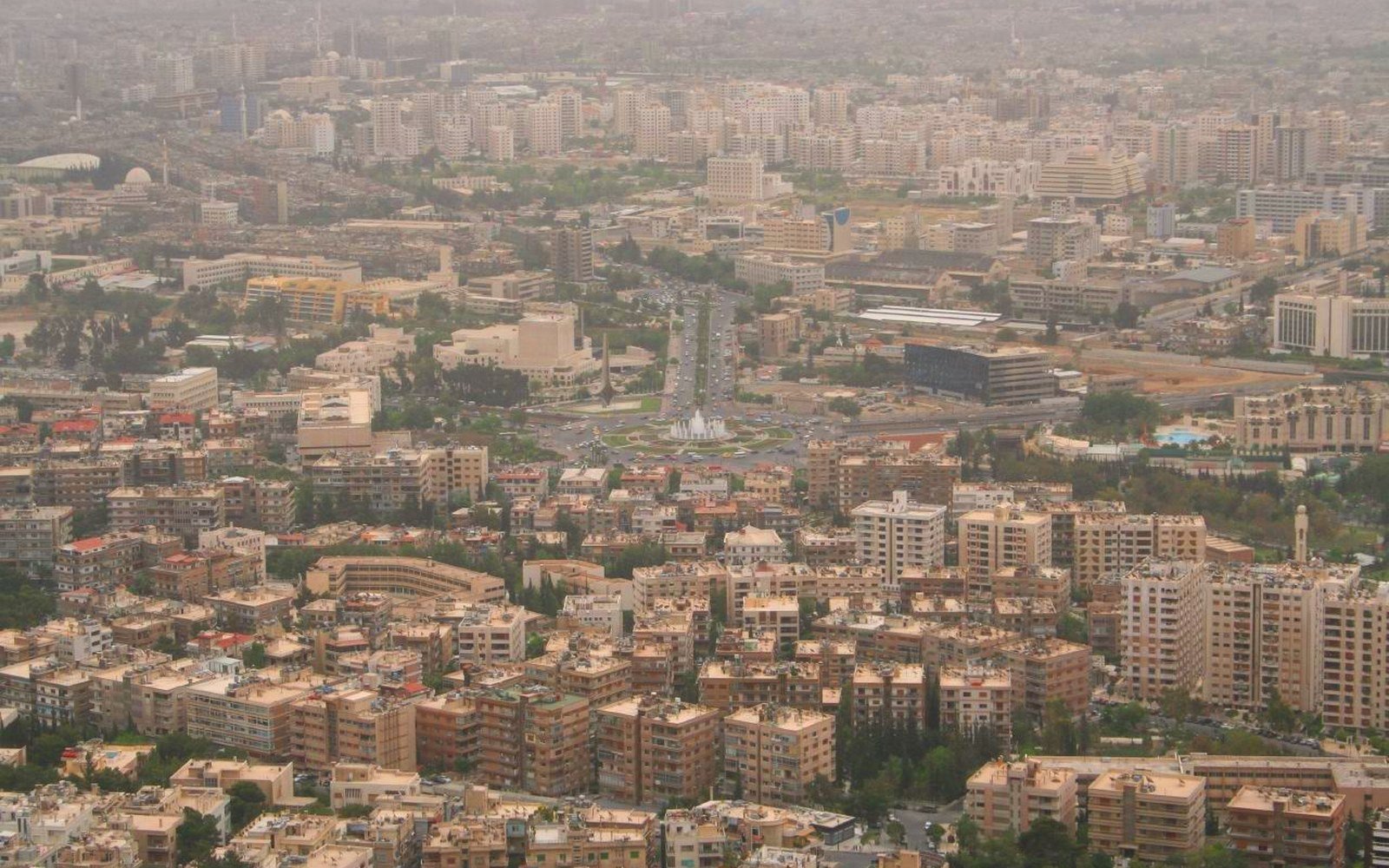
The designation was imposed in 1979 and was lifted on Monday. It was the last formal barrier between Syria and a reconstruction programme the World Bank costs at 216 billion dollars.
The United States has removed Syria from its list of state sponsors of terrorism, ending a designation that had stood for 47 years and that both Washington and Damascus had come to describe as the main obstacle to rebuilding the country. The State Department confirmed the revocation on Monday, after the 45 day review by Congress that the process requires had run its course.
Syria was placed on the list in 1979. Three countries remain on it: Cuba, Iran and North Korea.
Today's action will help foster additional investment in Syria to promote political and economic stability
Scott Bessent, United States Treasury Secretary
The same set of decisions revoked the designation of the Al Nusra Front, the armed group that broke with Al Qaeda in 2016 and was later folded into Hayat Tahrir Al Sham, which the current Syrian president led before the Assad government fell in December 2024.
What the designation actually stopped
A state sponsor designation is not a single sanction. It carries restrictions on foreign assistance, on defence exports and on financial transactions, and it sits underneath the compliance policies of banks and insurers that have no direct obligation to apply it but decline the risk anyway. That second effect is the one contractors notice. Sanctions relief had already been granted in an earlier round, and the designation was what remained.
The Secretary of State said the revocation followed steps taken by the Syrian government over the past year.
In the past year, the government of Syria has taken significant steps to counter terrorism
Marco Rubio, United States Secretary of State
The American envoy to Syria said the designation had separated Syrians from the investment and enterprise needed to rebuild, and called the decision a decisive step in the country's journey from isolation to partnership. The Syrian finance minister called it a major and historic success for Syrian diplomacy and said it opened a long awaited door to investment and modern technologies.
The number that decides what happens next
The World Bank costed Syrian reconstruction at 216 billion dollars in an assessment published on 21 October 2025. That is the central estimate in a range running from 140 billion to 345 billion dollars, and the lender attached an express warning that the results carry substantial uncertainty because the security position is still moving. Direct physical damage was put at 108 billion dollars. The reconstruction figure is close to ten times the country's projected gross domestic product for 2024.
A range of 140 billion to 345 billion dollars is not an estimate in the sense a quantity surveyor would use the word. It is a statement that the scope has not been measured. Anyone pricing early work in Syria is pricing an unmeasured scope in a jurisdiction with no recent claims record, and the first contracts written there will set the terms everyone else inherits.
Three practical questions follow from the delisting rather than from the headline. The first is whether correspondent banks will now clear payments, since a designation removed on paper does not by itself move a bank's own risk committee. The second is insurance, and particularly whether political risk and marine cover can be written at a price a contractor can carry. The third is the legal framework: procurement rules, a payment mechanism that works and a forum for disputes, none of which the American decision touches.
The order of events
The revocation was set in motion in July, when the President notified Congress of his intention to rescind the designation and started the review period that expired this month. An investor handbook and guidance for American companies entering the Syrian market were issued earlier in the year, before the legal barrier came down, which gives a fair reading of how the sequence was planned.
What has not changed is the money laundering and counter terrorism compliance position, which both Washington and would be investors continue to treat as a live constraint. The designation has gone. The due diligence has not.