
World News
Congo records 317 Ebola deaths in seven days as the first vaccine doses reach the country
By Staff Writer | 26 August 2026
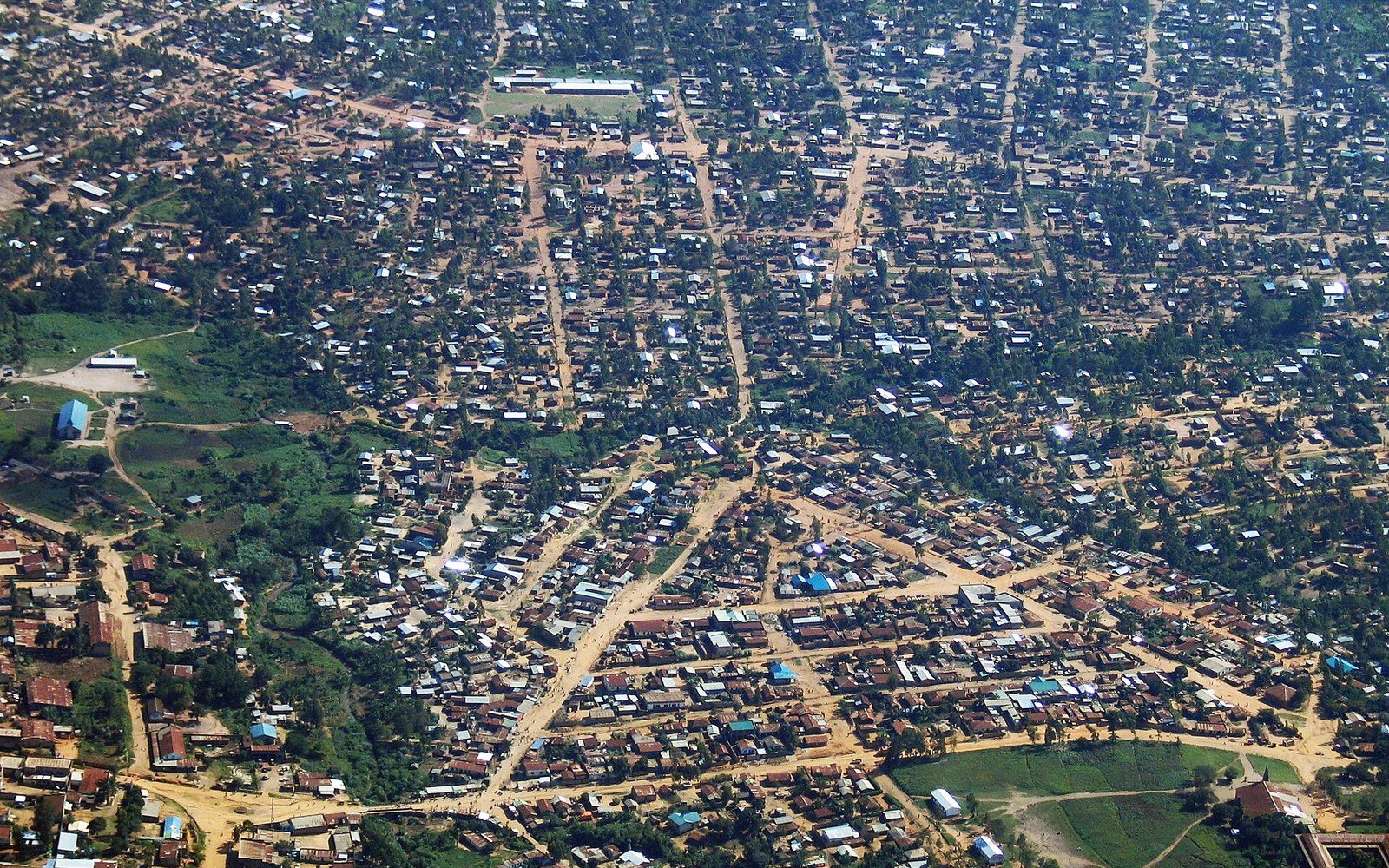
Ministry data put the outbreak at 5,514 cases and 2,642 deaths. The vaccine that has arrived was made for a different strain and nobody yet knows whether it works against this one.
More than 300 people died of Ebola in eastern Congo in the seven days to Saturday, one of the highest weekly tolls recorded since the outbreak was declared on 15 May. Ministry of Health data published on Monday put the total at 5,514 cases and 2,642 deaths, of which 317 fell in the previous week.
Those two counts agree with each other. A case fatality rate of 47.9 per cent is what 2,642 deaths in 5,514 cases produces, and in North Kivu, where teams reach fewer people, the published rate is 68.6 per cent. Congolese experts quoted on the same data say the true size may be three times the confirmed one, because the outbreak was running for weeks before it was declared.
A vaccine for the wrong strain, sent anyway
The strain circulating is Bundibugyo, for which there is no licensed vaccine and no approved treatment. What has been sent is Ervebo, which is licensed against a different and more common Ebola virus and worked in earlier outbreaks of it.
The international group that manages the emergency stockpile approved an immediate release of 70,000 doses, split into 20,000 for a phase 3 clinical trial and 50,000 for frontline and health workers. More than 16,000 of those doses reached the country on Friday. The rest are to follow.
Early laboratory and animal data suggest it may provide some protection
The World Health Organization, in its joint statement with the Africa Centres for Disease Control and Prevention
That sentence is the whole of the scientific case, and the agencies did not dress it up. The trial exists because nobody knows the answer, and the statement is explicit that people offered the vaccine, inside the trial and outside it, must be told the risks, the possible benefits and the limits before they consent.
an important example of global solidarity in action
Tedros Adhanom Ghebreyesus, Director General of the World Health Organization
Why the count keeps moving
Most new cases in Ituri, the current epicentre, are still arising outside the lists of monitored contacts. That is the measure that matters more than the daily toll, because it says the tracing is behind the transmission rather than in front of it. Many of the dead are dying outside treatment centres, which is both a cause of onward infection and a reason the confirmed figures understate the total.
The conditions the response is working in are set out plainly in both records read for this report: armed groups at the epicentre, large movements of people, roads that do not carry vehicles reliably, work stoppages by responders who have not been paid, and communities that have been told too many things by too many outsiders and no longer believe the current message.
The logistics of this are recognisable to anyone who has run a remote site. A cold chain, a payroll that has to reach people who cannot be paid by transfer, and access controlled by whoever holds the road that week. The vaccine arriving is not the same event as the vaccine reaching an arm.
Where it sits against the record
The outbreak became the deadliest Congo has recorded on 17 August, when the toll passed the 2,299 deaths of the 2018 to 2020 epidemic. It remains smaller in total than the outbreak of 2014 to 2016 in West Africa, which recorded 28,616 cases and 11,310 deaths, but it is killing at a far higher rate: seven times the deaths at the same point of the curve.
Officials have not said when the doses will be given to frontline workers. Experts believe the virus was already spreading in a mining town in Ituri as early as February, three months before the declaration.